


By Josephine Kayaga
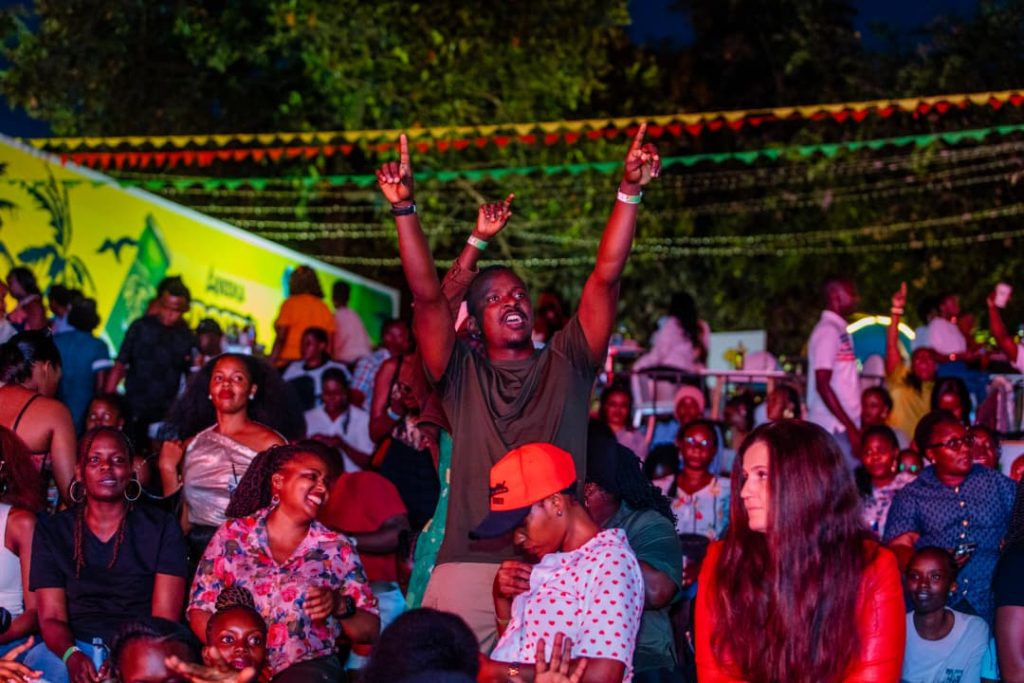
In a city often branded the party capital, Kampala continues to draw attention for its vibrant social scene.
With countless bars and weekly events stretching from Monday to Sunday, the city appears to live up to its reputation—at least on the surface.
However, beneath the noise and flashing lights, questions are emerging about what truly defines nightlife in the Ugandan capital.
While venues fill up late into the night at popular spots like Mezo, Silo 15, and Thrones, the culture leans more toward sitting and socializing than active partying. Comfortable seating, VIP sections, and bottle service dominate the experience, often turning clubs into relaxed lounges rather than energetic dance spaces.Compared to global nightlife hubs, where dance floors, live performances, and diverse entertainment thrive, Kampala’s scene appears limited in variety. Activities such as poetry, live music, or late-night art experiences remain less prominent, leaving many to question whether the city offers true nightlife or simply coordinated social drinking.
Even with these criticisms, Kampala’s nightlife remains unique in its own way—stylish, social, and consistently active. Whether it is a “party capital” or, as some suggest, a “sitting capital,” the city continues to evolve as conversations around its identity grow.